


Many people stay in painful, unhealthy, or emotionally damaging relationships and wonder:
“Why can’t I leave?”
They assume the answer is love.
But the real reason is often a trauma bond — a powerful emotional attachment formed through cycles of affection, pain, hope, and fear.
Understanding trauma bond vs love is life-changing.
It helps you see your relationship clearly, break emotional chains, and choose yourself again.
This blog explores:
✔ What trauma bonding is
✔ How it rewires your brain
✔ How it differs from real love
✔ Signs you are trauma-bonded
✔ How to break the bond and heal
✔ Why even strong people get stuck
Let’s begin.
What Is a Trauma Bond?
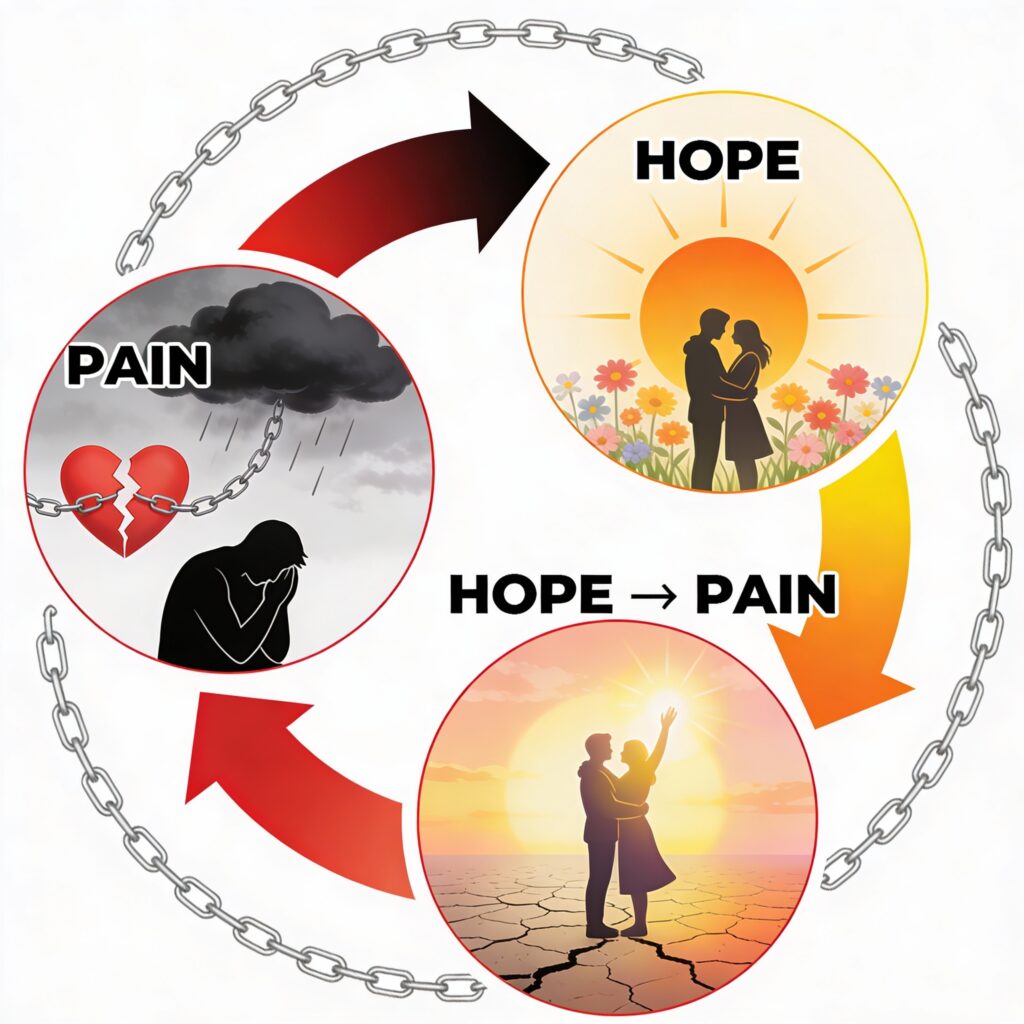
A trauma bond forms when someone hurts you and then becomes kind again — repeatedly.
This creates a psychological loop that ties pain with affection.
The emotional cycle looks like this:
Hurt → Relief → Apology → Hope → Hurt → Relief → Attachment
Your brain becomes attached not to the person,
but to the cycle.
This is the same neurological mechanism behind addiction.
Trauma bonding is common in relationships involving:
- Narcissistic abuse
- Gaslighting
- Hot-and-cold behavior
- Manipulation
- Emotional neglect
- Control and fear
It can happen to anyone — including strong, intelligent, independent people.
Why Trauma Bonds Are So Powerful
Trauma bonds are not an emotional weakness.
They are biochemical conditioning.
When the person is loving, your brain releases:
- Dopamine → pleasure
- Oxytocin → bonding
- Endorphins → comfort
But when they hurt you, your brain releases:
- Cortisol → stress
- Adrenaline → fear
This unpredictable pattern — pain followed by affection — creates a stronger psychological grip than consistent love ever could.
This is called intermittent reinforcement, the strongest form of behavioral conditioning.You aren’t addicted to them. You are addicted to the emotional rollercoaster.
Trauma Bond vs Love: The Clear Difference
To understand whether you are in love or trauma-bonded, compare the emotional outcomes. Love helps you grow. Trauma makes you survive.
The Difference at a Glance
| Trauma Bond | Love |
|---|---|
| Chaos | Calm |
| Confusion | Clarity |
| Fear of losing them | Trust and safety |
| Pain + affection mixed | Respect + support |
| Walking on eggshells | Freedom to express |
| Needing their approval | Choosing each other freely |
| High anxiety | High peace |
Signs You Are Trauma Bonded
You may be stuck in a trauma bond if you experience:
1. You can’t leave even when unhappy
You know the relationship is harmful, but something keeps pulling you back.
2. You explain away their bad behavior
“He’s just stressed.”
“She didn’t mean to.”
“They love me; they’re just insecure.”
3. You feel panic when they pull away
Withdrawal symptoms feel like losing oxygen.
4. You believe you can fix or heal them
You assume your love will change them.
5. You feel guilty for their emotions
You take the blame even when you’re not at fault.
6. Your self-worth keeps dropping
You feel smaller, weaker, or emotionally drained.
7. You crave the “good moments.”
The rare affection becomes your emotional reward.
8. You keep hoping for the person they were at the beginning
But the beginning was a mask — not reality.

Why Smart, Strong People Get Stuck
Because trauma bonding does not target intelligence, it targets human attachment systems.
People with:
- Big hearts
- Empathy
- Hope
- Desire to love deeply
- Childhood emotional wounds
- Fear of rejection
…are more vulnerable to trauma bonds. This has nothing to do with weakness. It has everything to do with emotional wiring.
The Role of the Manipulator
Trauma bonds often occur in relationships where one person uses:
- Hot-and-cold behavior
- Gaslighting
- Love bombing
- Silent treatment
- Guilting
- Threats of abandonment
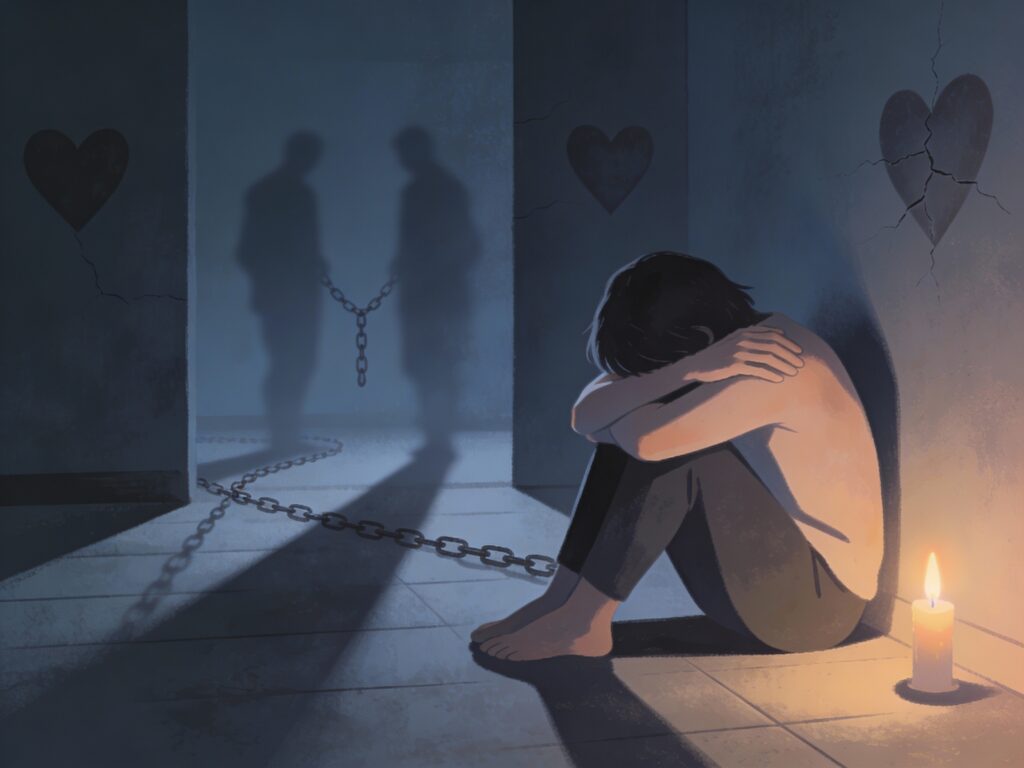
This unhealthy dynamic creates dependency. Manipulators intentionally confuse your reality so you rely on them emotionally. It becomes a form of psychological imprisonment.
How to Break a Trauma Bond
Breaking a trauma bond feels like breaking an addiction —
because biologically, it is.
Here are the steps that actually work:
1. Reduce or Cut Contact
Distance is the antidote to manipulation. Every message, call, or argument reactivates the bond.
This includes:
- No replies
- No checking their social media
- No emotional conversations
2. Stop Romanticizing Memories
Your brain is attached to:
- The beginning
- The good moments
- The fantasy, not the reality
List the painful incidents. Read them when you feel weak.
3. Rebuild Your Identity
Trauma bonds make you lose yourself. Do things that remind you who you were:
- Old hobbies
- Friendships
- Exercise
- Travel
- Journaling
4. Seek Healthy Support Systems
Shame isolates you.
Support breaks isolation.
Talk to:
- Friends
- Therapists
- Support groups
- Coaches
Healing happens in connection.
5. Understand the Cycle
Once you understand the trauma bond pattern, your brain stops confusing it with love. Awareness is psychological freedom.
6. Choose Yourself Daily
Healing is not a one-time event. It is a daily commitment.
You don’t need to feel strong…
You just need to not go back.
Conclusion
In conclusion, distinguishing trauma bonds from genuine love breaks the cycle of abuse, intermittent reinforcement, and emotional dependency that makes leaving feel impossible. Prioritizing self-worth, no-contact strategies, and therapy rebuilds resilience, opening doors to supportive relationships rooted in mutual respect. Freedom awaits beyond the illusion—choose healing today. You don’t miss the person.
You miss the chemical pattern your brain got used to.
But your brain can heal.
Your heart can reset.
Your life can restart.
The moment you:
✔ Understand the trauma bond
✔ Accept the truth
✔ Choose yourself
You break the chain — and reclaim your peace.
You are not broken. You are waking up.
Here are some of my blog links you must read for deeper insights, plus valuable external resources.
Internal Llinks:
- Uncover Dark Psychology Explained to spot manipulation roots.
- Recognize the Dark Triad traits fueling toxic bonds.
- Build foundations with the importance of mental health.
External Links:
- APA (American Psychological Association) guides trauma recovery research.
- Harvard Health details emotional healing steps.
- Psychology Today explores bond-breaking techniques


Pingback: Why Mental Exhaustion Affects Everyone in 2025