


If you feel bored easily, struggle to focus, or constantly reach for your phone without thinking, you might assume you lack discipline or motivation.
But the real issue may be dopamine overstimulation.
In 2025, the concept of dopamine detox has gone viral—not because it’s trendy, but because millions of people feel mentally restless, unmotivated, and emotionally flat. This article explains what dopamine detox really means, why your brain feels overstimulated, and how to restore balance without extreme rules.
What Is Dopamine?
Dopamine is a neurotransmitter responsible for:
- Motivation
- Reward
- Focus
- Pleasure
- Learning
Contrary to popular belief, dopamine is not the pleasure chemical. It is the anticipation chemical.
Dopamine spikes when your brain expects a reward—not when it receives it. That’s why scrolling, notifications, likes, and novelty feel addictive. Your brain is constantly anticipating the next hit.
What Is Dopamine Detox
A dopamine detox does NOT mean eliminating dopamine (which is impossible and unhealthy).
A dopamine detox means:
- Reducing excessive, artificial stimulation
- Allowing your brain’s reward system to reset
- Rebuilding motivation for simple, meaningful activities
❌ Common Myths
- “No dopamine for 30 days” ❌
- “Avoid all pleasure” ❌
- “Sit in silence doing nothing” ❌
✅ Reality
A dopamine detox is about balance, not punishment.
Why Dopamine Overstimulation Is a Big Problem in 2025
Your brain evolved to handle:
- Scarce rewards
- Slow gratification
- Real-world challenges
But modern life offers:
- Endless scrolling
- Short videos
- Fast rewards
- Constant novelty
- Instant entertainment
This floods the brain with dopamine spikes.
Over time, your brain adapts by:
- Reducing sensitivity
- Needing more stimulation
- Losing interest in normal tasks
This is called dopamine desensitization.

Signs Your Brain Is Overstimulated
You may need a dopamine detox if you experience:
- Constant urge to check your phone
- Difficulty focusing on simple tasks
- Boredom without stimulation
- Low motivation
- Procrastination
- Brain fog
- Emotional numbness
- Reduced enjoyment from hobbies
- Anxiety when idle
These are not personality flaws. They are experiencing neurochemical fatigue.
How Dopamine Overload Affects Mental Health
Chronic overstimulation impacts:
- Attention span
- Memory
- Emotional regulation
- Stress tolerance
It can worsen:
- Anxiety
- Depression
- Burnout
- Trauma bonds
- Addictive behaviors
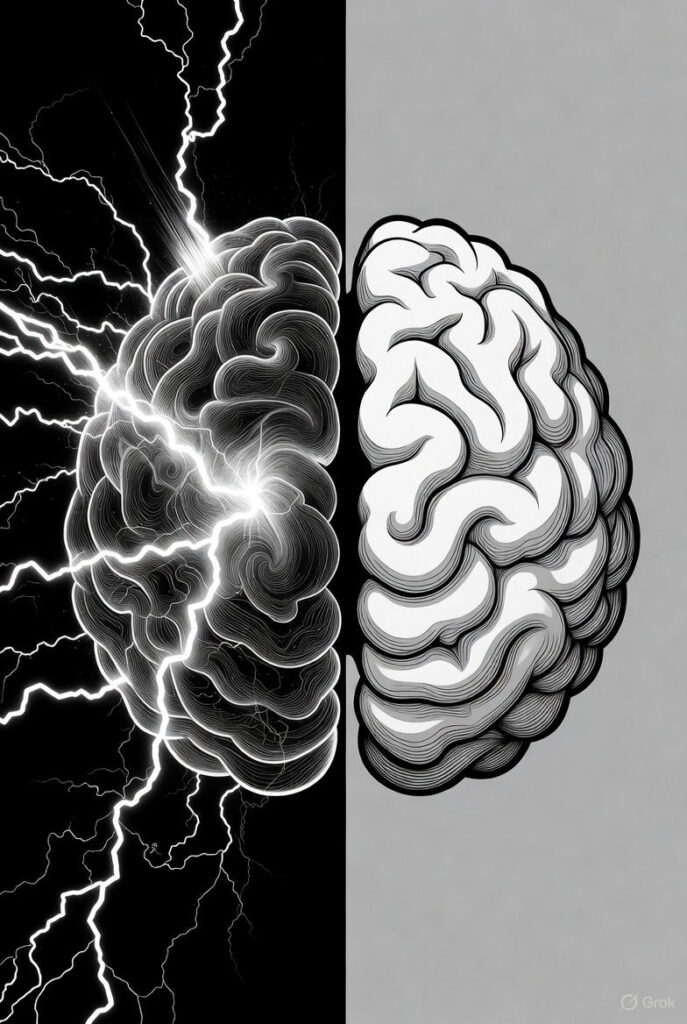
This is why dopamine detox discussions often overlap with mental exhaustion, toxic relationships, and digital addiction.
The Link Between Dopamine & Manipulation
Many manipulation tactics exploit dopamine:
- Love bombing
- Hot-and-cold behavior
- Intermittent rewards
- Social media validation
When reward becomes unpredictable, dopamine spikes higher—making attachment stronger.
This is why people stay stuck in unhealthy patterns.
How a Dopamine Detox Actually Helps
When you reduce artificial stimulation:
- Dopamine receptors regain sensitivity
- Focus improves
- Motivation returns
- Simple activities feel enjoyable again
- Anxiety decreases
Your brain remembers how to feel calm.
A Realistic Dopamine Detox Plan
Step 1: Identify Your Dopamine Triggers
Common ones:
- Social media
- Short-form videos
- Junk food
- Constant music/podcasts
- Multitasking
- Online shopping
Awareness comes before change.
Step 2: Create “Low-Stimulation” Time Blocks
Start small:
- 30–60 minutes per day
- No phone
- No notifications
- No background noise
Use this time for:
- Thinking
- Walking
- Reading
- Journaling
- Stretching

Step 3: Reduce, Don’t Eliminate
You don’t need to quit everything.
Instead:
- Limit social media to fixed times
- Remove apps from the home screen
- Turn off non-essential notifications
Less friction = less temptation.
Step 4: Replace Artificial Rewards With Natural Ones
Healthy dopamine sources:
- Exercise
- Sunlight
- Completing small tasks
- Deep conversations
- Creative work
These provide stable dopamine, not spikes.
Step 5: Accept Initial Discomfort
Boredom is part of healing.
Your brain will say: “This is boring.”
That’s withdrawal, not truth.
Stay consistent.
How Long Does a Dopamine Reset Take?
- Mild overstimulation: 3–7 days
- Moderate overload: 2–3 weeks
- Chronic dependence: longer, gradual progress
Consistency matters more than intensity.
Why Dopamine Detox Improves Focus & Motivation
Once dopamine stabilizes:
- Tasks feel easier
- Focus lasts longer
- Motivation becomes intrinsic
- You stop chasing stimulation
Life feels quieter—but clearer.
Dopamine Detox vs Discipline
This is important.
If you constantly need motivation:
- It’s not a discipline issue
- It’s a reward imbalance
Fix the chemistry → discipline follows naturally.
When Dopamine Detox Is NOT Enough
If overstimulation is paired with:
- Trauma
- Depression
- Severe anxiety
- Addiction
Professional support may be necessary. A dopamine detox supports healing—it doesn’t replace therapy.
Conclusion
Your brain is not broken.
It’s simply overstimulated—bombarded by endless scrolls, notifications, pings, and quick-hit rewards that keep your dopamine system in a constant state of chase. What feels like a loss of focus, motivation, or joy isn’t a permanent defect; it’s a predictable response to living in a world designed to hijack your attention.
A dopamine detox isn’t about punishing yourself, becoming boring, or swearing off pleasure forever. It’s about intentionally stepping back to reset your reward system and reclaim your ability to focus deeply, feel genuinely, and choose what truly matters to you—without the pull of engineered distractions.
When you reduce the constant flood of stimulation, something beautiful happens: clarity emerges. Boredom stops feeling like a threat and starts feeling like space. Quiet moments no longer seem empty—they become opportunities for recovery, creativity, and real connection.
Stillness is not emptiness.
It’s recovery. It’s the nervous system finally exhaling. It’s the foundation on which sustainable energy, sharper focus, and authentic joy are rebuilt.
You don’t need to hustle harder to “fix” yourself. You need permission to pause, reset, and listen. Your brain is resilient—it just needs a break from the noise to remember how capable it really is.
For more information, go through my other blogs:
- Dark Psychology Explained (how chronic stress and manipulation can deepen exhaustion)
- Trauma Bond vs Love (understanding emotionally draining relationships)
- Why Everyone Feels Mentally Exhausted in 2025
Additionally, for evidence-based insights on burnout, overstimulation, and mental fatigue, I recommend checking out Harvard Health’s resources: Harvard Health – Burnout and Fatigue.


