

Introduction: Why Dental Health Feels More Confusing Than It Should Be
Dental health advice today is everywhere—advertisements, social media reels, packaging claims, and expert opinions that often contradict each other. One product is labelled harmful in one era and promoted as premium in another. White teeth are presented as healthy teeth, while strong sensations are mistaken for effectiveness.
This article is written to simplify dental health using biology, public research, and practical understanding, not brand narratives or fear-based messaging.
The goal is not to recommend products or criticize companies, but to help readers understand how teeth actually work, so they can make informed, balanced decisions.
Understanding Tooth Enamel: The Foundation of Dental Health
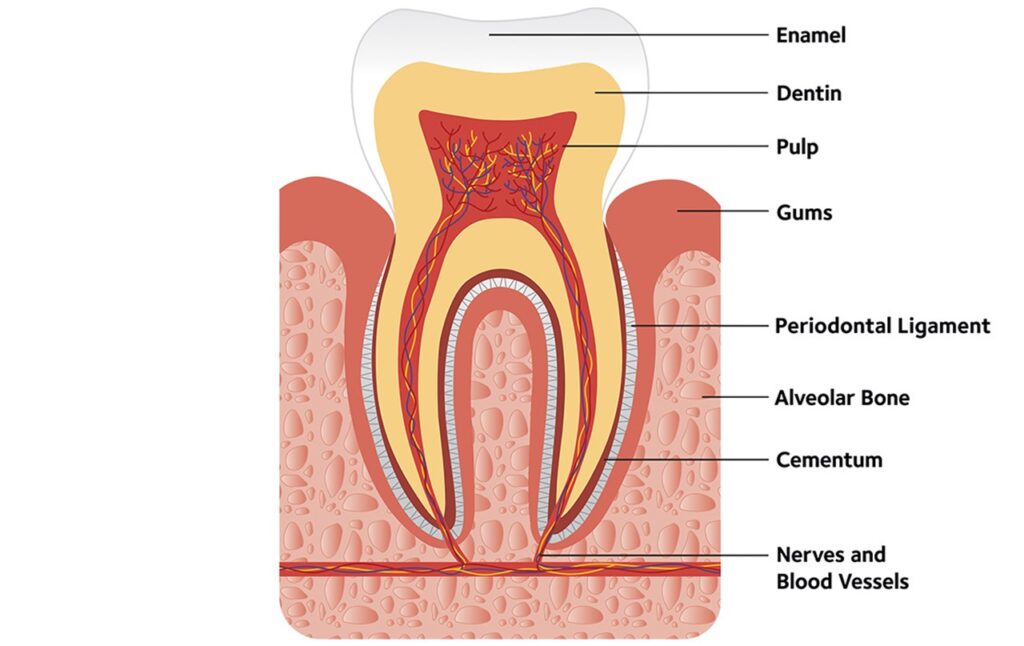
Tooth enamel is the outermost protective layer of a tooth. It shields the inner structures from physical wear, temperature changes, and chemical attacks.
Important facts about enamel:
- It is the hardest substance in the human body
- It contains no living cells
- Once significantly damaged, it does not regenerate
Enamel strength matters more than tooth color. Teeth can appear white yet be structurally weak, and slightly off-white teeth can be healthy and strong.
Key principle:
Dental health is about preserving enamel integrity, not achieving cosmetic whiteness.
What Are Dental Caries and How Do They Develop?
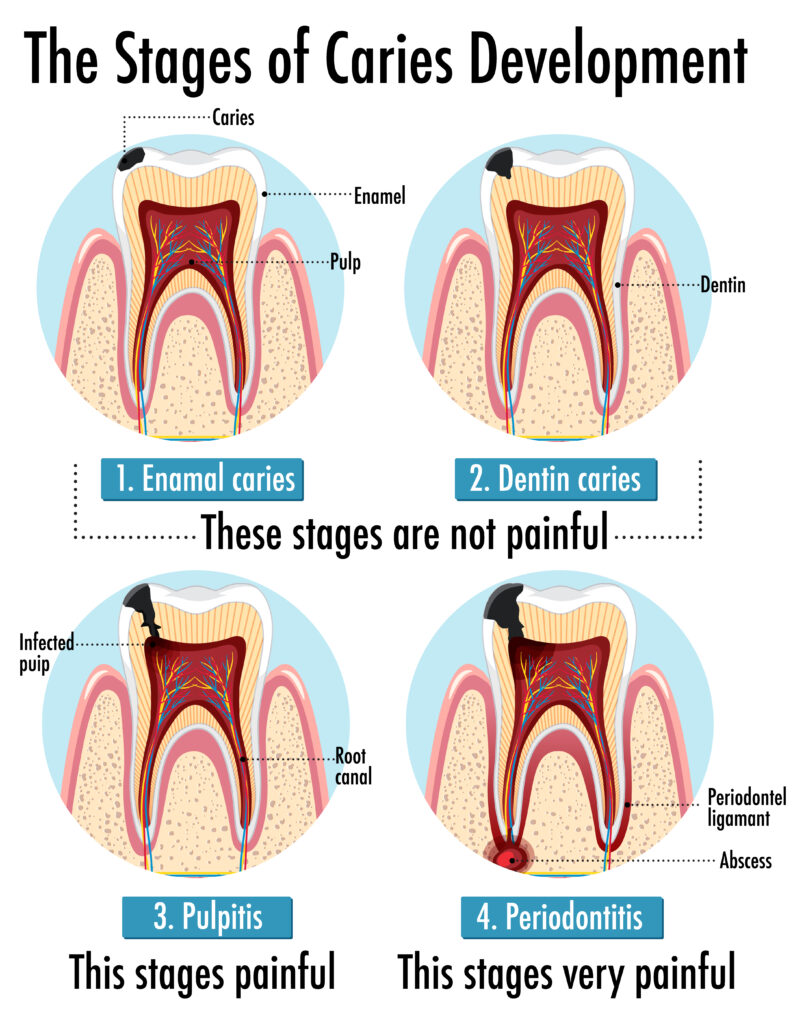
Dental caries (commonly called cavities) refers to the gradual breakdown of tooth structure caused by acid produced by oral bacteria.
The general process:
- Sugars or refined carbohydrates are consumed
- Oral bacteria metabolize them
- Acids are released
- Enamel minerals dissolve gradually
- Repeated exposure leads to structural breakdown
Pain is often a late symptom, which is why cavities may exist without obvious discomfort.
Can Cavities Exist Without Pain?
Yes. Many early cavities are painless.
Possible early indicators include:
- Chalky or opaque white spots
- Rough areas felt by the tongue
- Food repeatedly gets stuck in the same place
- Mild, short-lasting sensitivity
Pain usually appears when deeper layers are involved. Preventive habits are therefore more effective than reactive treatment.
Toothpaste, Abrasiveness & RDA: What the Numbers Really Mean
What is RDA?
RDA (Relative Dentin Abrasivity) is a laboratory measure that estimates how abrasive a toothpaste may be on dentin under standardized conditions.
Lower RDA values generally indicate gentler formulations, while higher values indicate greater abrasiveness.
Important clarifications:
- There is no single global authority that publishes RDA values for all toothpastes
- Some values are manufacturer-reported or derived from limited studies
- Many herbal or specialty products do not disclose RDA publicly
Organizations such as the American Dental Association provide guidance on safe abrasivity limits, but they do not test or rank every toothpaste worldwide.
RDA values should be treated as guidance, not absolute judgments.
Charcoal Toothpaste: Ingredient vs Interpretation
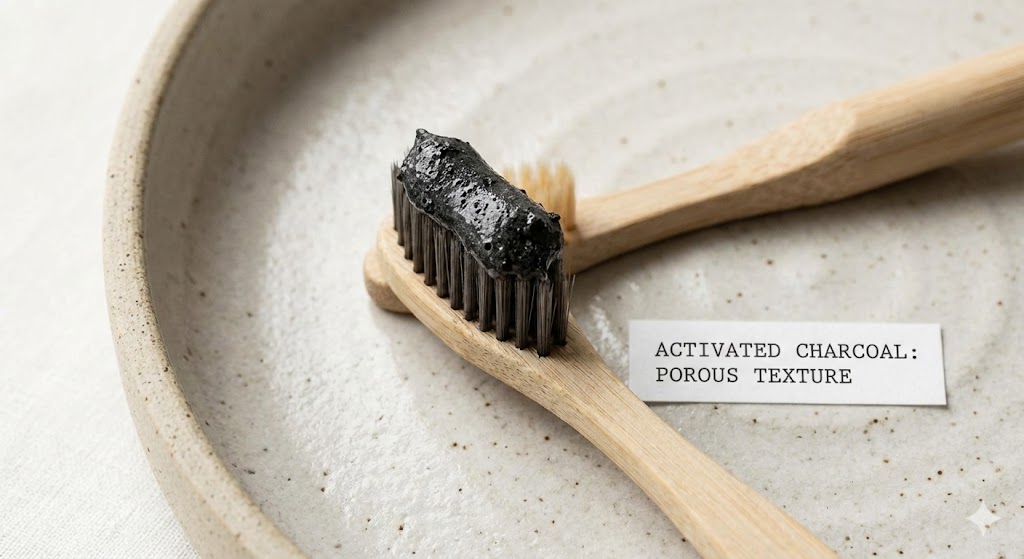
Charcoal-based oral products have been in existence for centuries and have recently experienced a resurgence in popularity.
From a scientific perspective:
- Charcoal is abrasive
- It can remove surface stains
- It does not repair enamel
- It does not treat cavities
- Many formulations lack fluoride
Occasional use may be acceptable for some individuals, while daily use may not be ideal for everyone. As with most oral care products, frequency, formulation, and brushing technique matter more than the ingredient itself.
Brushing Habits That Support Long-Term Oral Health
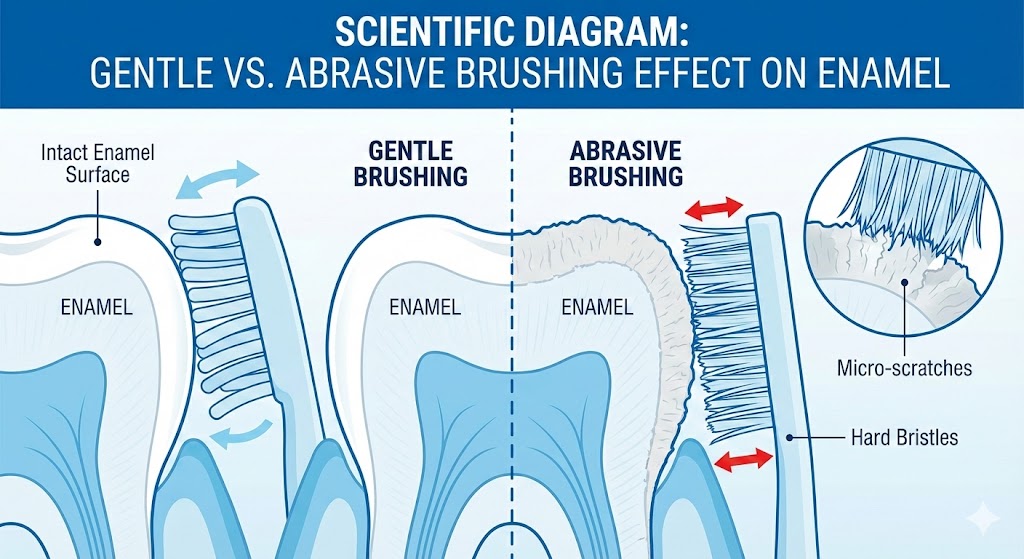
Effective brushing is about technique and consistency, not force.
Generally supported habits include:
- Using a soft-bristled toothbrush
- Applying light pressure
- Brushing twice daily
- Cleaning between teeth once daily
- Allowing fluoride toothpaste to remain on teeth at night
Excessive pressure, frequent abrasive brushing, or brushing immediately after acidic foods may contribute to enamel wear over time.
Tea, Coffee, and Dental Health
Unsweetened tea and coffee are generally considered low-cavity-risk beverages.
Rinsing the mouth with plain water after consumption:
- Reduces acid exposure
- Helps limit surface staining
- Supports natural saliva buffering
Brushing immediately after acidic drinks is usually discouraged; waiting allows enamel to reharden naturally.
“Healthy” Snacks and Tooth Exposure Frequency
Foods commonly perceived as healthy—such as refined grain snacks or biscuits—can still contribute to dental acid exposure if consumed frequently.
Dental research consistently shows that:
- Frequency of exposure matters more than the food itself
- Eating sugary or starchy foods with meals is generally safer than frequent snacking
This principle applies across cultures and diets.
Is Sensitivity Toothpaste Only for Sensitive Teeth?
No. Low-abrasive, fluoride-containing toothpaste is often recommended for long-term enamel protection, even in the absence of sensitivity symptoms.
Using gentle formulations preventively may help reduce the risk of future enamel wear or sensitivity.
The Most Important Dental Health Principle
Dental damage is driven more by repeated acid exposure than by occasional indulgence.
Limiting frequency, protecting enamel, and supporting saliva function form the foundation of oral health.
Dental Health Beyond Marketing
Dental care does not require:
- Aggressive routines
- Expensive products
- Trend-driven choices
It requires understanding basic biology, applying gentle consistency, and making informed decisions rather than reactive ones.
Conclusion: Dental Health Begins With Understanding, Not Fear
Dental health does not need to be complicated, extreme, or driven by fear-based marketing. At its core, it is about understanding how teeth function, how enamel is preserved, and how everyday habits—such as eating frequency, brushing technique, and product choice—affect long-term oral health.
Cavities (dental caries) are not a reflection of personal failure or poor hygiene alone; they are the result of repeated acid exposure over time. Similarly, toothpaste effectiveness is not determined by strong sensations, color, or advertising claims, but by factors such as abrasiveness, fluoride availability, and how gently and consistently products are used.
By focusing on enamel protection, reducing unnecessary frequency of sugar and refined carbohydrates, and maintaining simple, evidence-informed oral care habits, most people can significantly reduce their risk of dental problems—without chasing trends or premium labels.
Oral health, like overall well-being, improves when we move away from extremes and toward awareness. This same principle applies beyond dental care. Practices that support nervous system regulation, mindful movement, and stress reduction—such as Somatic Yoga: A Holistic Approach to Fitness, Weight Loss, and Mind-Body Wellness—play an indirect but meaningful role in health by reducing stress-related habits that often impact oral and metabolic wellbeing.
The goal is not perfection, but clarity. When we understand why we do something, healthier choices become easier, calmer, and more sustainable.
Trusted External References
For readers who wish to explore established public guidance and research, the following organizations provide reliable, non-commercial information on oral health:
- American Dental Association – Oral care practices, brushing guidance, and toothpaste safety
- World Health Organization – Reports on sugar consumption and its impact on oral and overall health
- British Dental Association – Evidence-based advice on brushing techniques and toothpaste use
These resources support general education and help readers distinguish long-standing scientific guidance from short-term marketing narratives.
Disclaimer
Medical Disclaimer:
This article is intended for general educational and informational purposes only. It does not constitute medical or dental advice, diagnosis, or treatment. Oral health needs vary between individuals. Readers should consult a qualified dentist or healthcare professional for personalized advice, diagnosis, or treatment.


Wishing you a happy day, every day!
You have a nice day too. Thank you,
A really good blog and me back again.
Welcome back and thank you for the kind words.